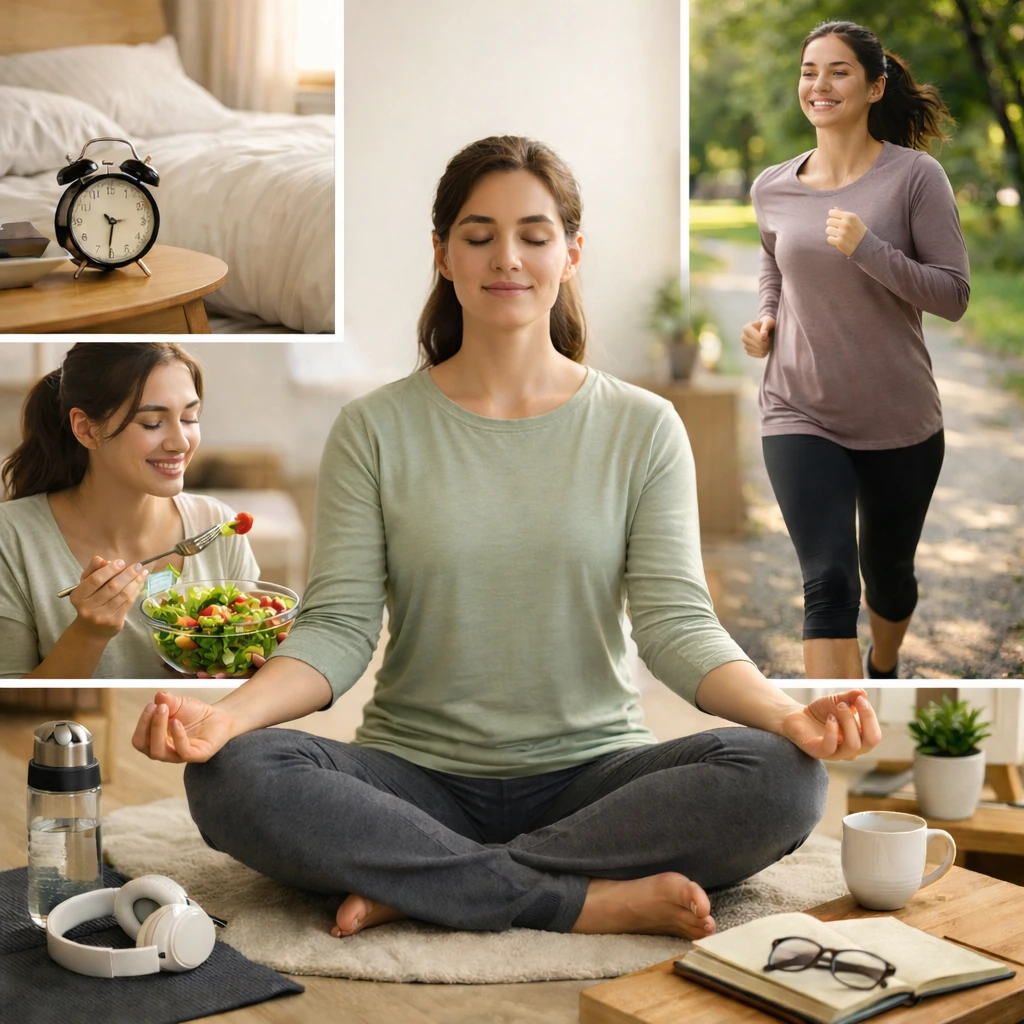

Finding Stillness in a World That Never Stops
This article explores how to cultivate internal quietness amidst a chaotic modern environment, focusing on sensory grounding, intentional boundaries, and the profound impact of silence on our physical and mental health.
The Modern Dilemma of Constant Motion
It feels like we are living in a permanent state of “on.” From the moment the sun rises until we close our eyes at night, there is a relentless stream of information, expectations, and noise vying for our attention. We have become experts at multitasking and efficiency, yet many of us feel a persistent sense of being overwhelmed. This isn’t just a coincidence; it’s the result of a world that prioritizes “doing” over “being.” Finding stillness is no longer a luxury reserved for a retreat in the mountains; it has become a vital survival skill for anyone looking to maintain their health and the quality of their relationships.
Redefining What Stillness Actually Means
Many people shy away from the idea of stillness because they equate it with doing nothing or being unproductive. In reality, stillness is an active state of internal alignment. It is the ability to remain centered and calm even when the world around you is in a state of flux. Think of it like the eye of a hurricane—while the winds howl and debris flies outside, the center remains remarkably quiet. Cultivating this internal quiet doesn’t mean you stop being productive; it means you start being productive from a place of clarity rather than a place of panic.
The Physicality of Peace
Our bodies often hold onto the frantic energy of our surroundings. We carry tension in our shoulders, our breathing becomes shallow, and our heart rates remain slightly elevated throughout the day. To find stillness, we must first invite the body to relax. This can be as simple as a three-minute check-in where you consciously soften your jaw and take deep, diaphragmatic breaths. When you signal to your nervous system that it is safe to slow down, your brain follows suit. This physiological shift is the first step toward reclaiming your mental space.
Carving Out Digital-Free Sanctuaries
While we aren’t looking for external tools to fix us, we must look at how our environment influences our peace. Our living spaces often mirror the chaos of our minds. Creating a physical “sanctuary”—even if it is just one chair in a corner or a specific spot on a porch—can serve as a powerful trigger for stillness. Make it a rule that this space is for reflection and breathing only. No screens, no work, and no heavy conversations. By dedicating a physical area to quietness, you train your brain to enter a state of repose the moment you step into that space.
The Power of Single-Tasking
We have been sold the lie that multitasking is a badge of honor. In truth, it fractures our focus and keeps our minds in a state of high-frictional heat. To find stillness, try the radical act of doing one thing at a time. If you are drinking a cup of tea, just drink the tea. Notice the warmth of the mug, the scent of the leaves, and the way the liquid feels. If you are walking to your car, just walk. Notice the rhythm of your feet hitting the ground. This sensory grounding pulls you out of the abstract “future” or “past” and anchors you in the present, where stillness actually lives.
Setting Boundaries as an Act of Self-Respect
A major barrier to stillness is the feeling that we must be available to everyone at all times. We say “yes” to requests out of a sense of obligation, only to find ourselves resentful and exhausted later. Learning to set firm, kind boundaries is essential for protecting your internal peace. This might mean deciding not to engage with certain types of news or choosing to spend your lunch hour in silence instead of in a crowded breakroom. When you value your stillness, others begin to value it too. It sets a standard for how you interact with the world and ensures you have enough energy to give to the people who matter most.
Stillness as a Foundation for Relationships
When we are constantly rushed, our interactions with others become shallow and reactive. We snap at our partners, we lose patience with our friends, and we miss the subtle cues that someone we love is struggling. By prioritizing stillness, we become better listeners and more empathetic companions. A person who is at peace with themselves is naturally more patient and present with others. You’ll find that your relationships deepen not because you are doing more for people, but because you are more “there” when you are with them.
Embracing the Beauty of the Unfinished
Much of our internal noise comes from the nagging feeling that we haven’t done enough. There is always one more email to send, one more chore to finish, or one more goal to reach. Stillness requires us to accept that life will always be somewhat “unfinished.” There is a profound freedom in realizing that you can be at peace even when your to-do list isn’t empty. By letting go of the need for total completion, you allow yourself the grace to rest. This rest is what fuels your creativity and your health, allowing you to return to the world with a renewed sense of purpose and a much calmer heart.