Creating a Sleep Sanctuary for Restorative Rest
In our journey through self-improvement and wellness, we often focus on what we do while we are awake—how we eat, how we move, and how we work. However, the foundation of all these efforts is actually what happens while we are unconscious. Sleep is the most powerful biological tool for cognitive repair, emotional regulation, and physical health. To reap these rewards, you must treat your bedroom not just as a place where you happen to end up at the end of the day, but as a dedicated “sleep sanctuary.”
The Biology of the Sanctuary
Your brain is incredibly sensitive to environmental cues. When you enter your bedroom, your nervous system should receive an immediate signal that it is time to downregulate. For many of us, the bedroom has become an extension of the office or the living room—filled with laptops, charging cables, and the blue light of smartphones. By removing these distractions, you create a psychological “clear zone” that allows your brain to transition into the parasympathetic state required for deep sleep.
Mastering the Light Cycle
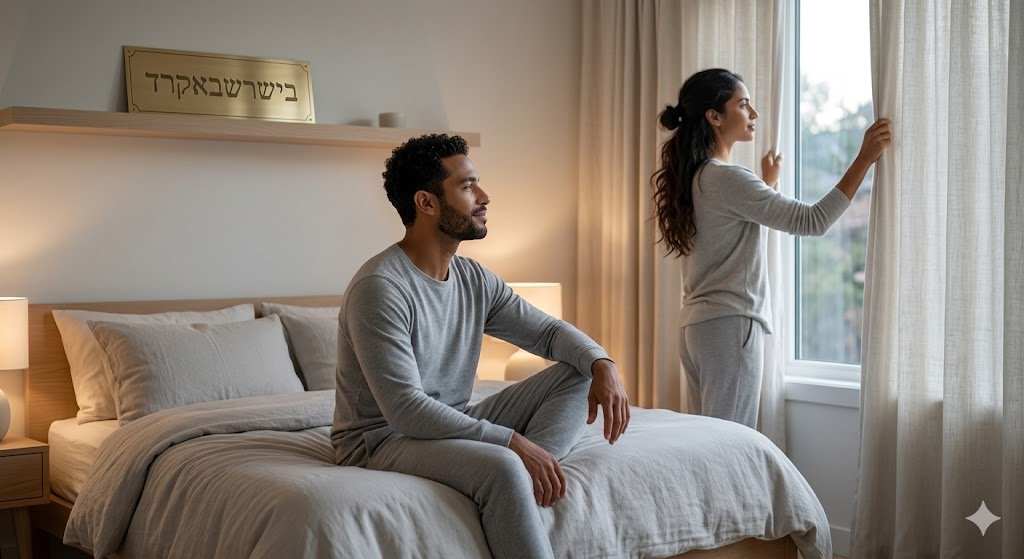
The single most important factor in your sleep environment is light. As we discussed in our exploration of morning sunshine, light is the primary regulator of your circadian rhythm. While you need bright light in the morning to wake up, you need absolute darkness at night to trigger the production of melatonin. Even a small amount of light from a digital clock or a streetlamp can disrupt your sleep cycles. Investing in high-quality blackout curtains and covering any glowing electronic lights can significantly improve the depth of your rest. If you cannot control the light in your room, a comfortable sleep mask is an effective and simple alternative.
The Temperature Sweet Spot
One of the most common reasons for restless sleep is a room that is too warm. Biologically, your core body temperature needs to drop by about two to three degrees Fahrenheit to initiate sleep. If your environment is too hot, your body struggles to reach this target, leading to shallow sleep and frequent awakenings. Most sleep experts recommend a room temperature between 16 and 18 degrees Celsius (60 to 65 degrees Fahrenheit). This coolness facilitates the deep, slow-wave sleep that is most restorative for the brain and the body.
Digital Exile: Protecting Your Attention
To truly create a sanctuary, you must enforce a strict policy on digital devices. The blue light emitted by screens suppresses melatonin and stimulates the brain, making it difficult to “shut off” even after you put the phone down. More importantly, the content we consume—news, social media, work emails—is often designed to trigger an emotional response. This is the opposite of stillness. By keeping your phone in a different room and using a traditional alarm clock, you protect your attention and allow your mind to drift naturally into sleep without the “noise” of the digital world.
Tactile Comfort and Sensory Grounding
The physical comfort of your bed is a significant factor in how quickly you fall asleep. This isn’t just about the mattress, but the textures and materials you surround yourself with. Natural, breathable fibers like cotton or linen help regulate body temperature and feel more grounding against the skin. Furthermore, you can use scent to anchor your routine. Lavender, for example, has been shown to lower heart rate and blood pressure. By consistently using a specific scent in your sleep sanctuary, you create a powerful sensory trigger that tells your brain it is safe to rest.
The Role of Stillness and Routine
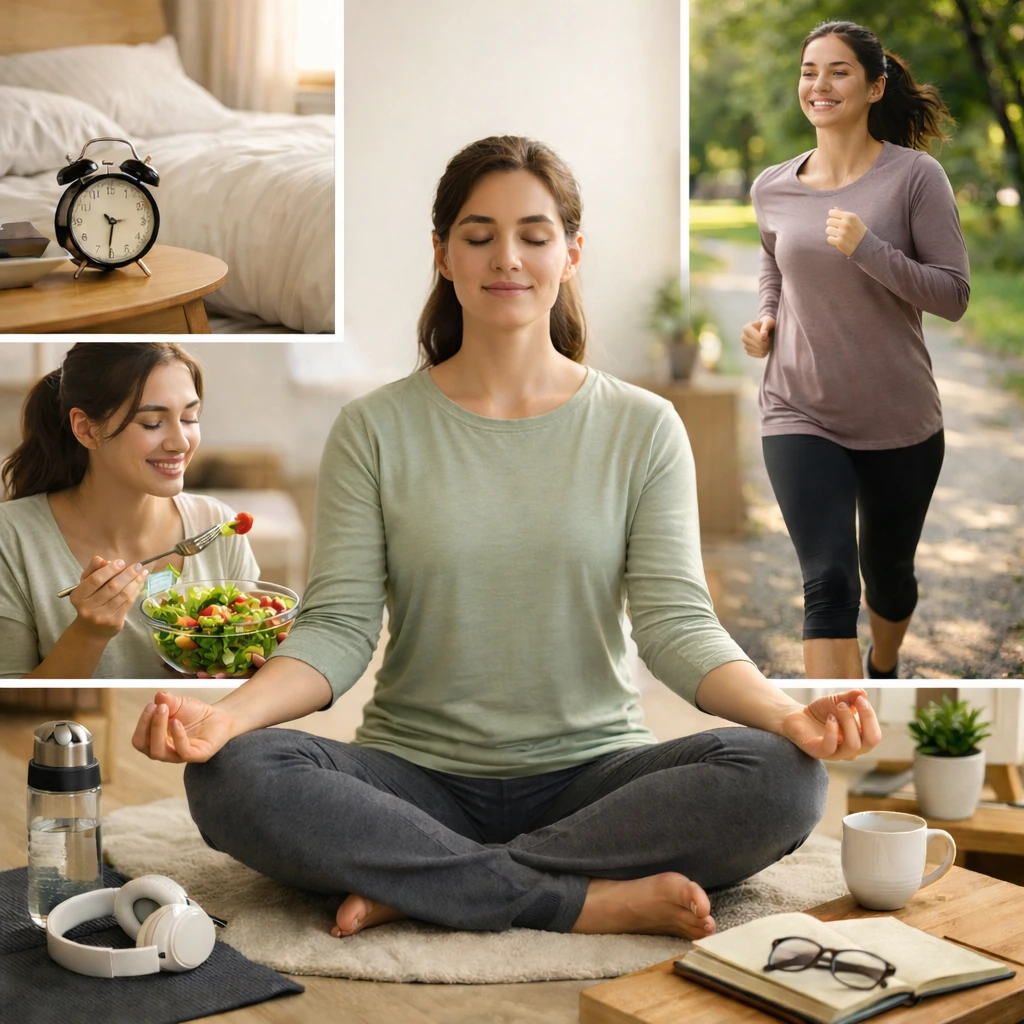
A sleep sanctuary is as much about your habits as it is about the physical space. Establishing a “wind-down” routine that begins 30 to 60 minutes before you get into bed is essential. This might include light reading, gentle stretching, or the mindful journaling we’ve previously explored. These activities serve as a bridge between the activity of the day and the stillness of the night. When your body and mind know what to expect, they can let go of the day’s stressors much more efficiently.
Conclusion: Investing in Your Future Self
Ultimately, creating a sleep sanctuary is an act of self-respect. It is an acknowledgment that your recovery is just as important as your productivity. When you wake up in a space that was designed for rest, you start your day from a position of strength rather than a state of deficit. This foundation of restorative sleep will enhance your focus, stabilize your mood, and give you the energy to pursue all your other goals with clarity and purpose.