
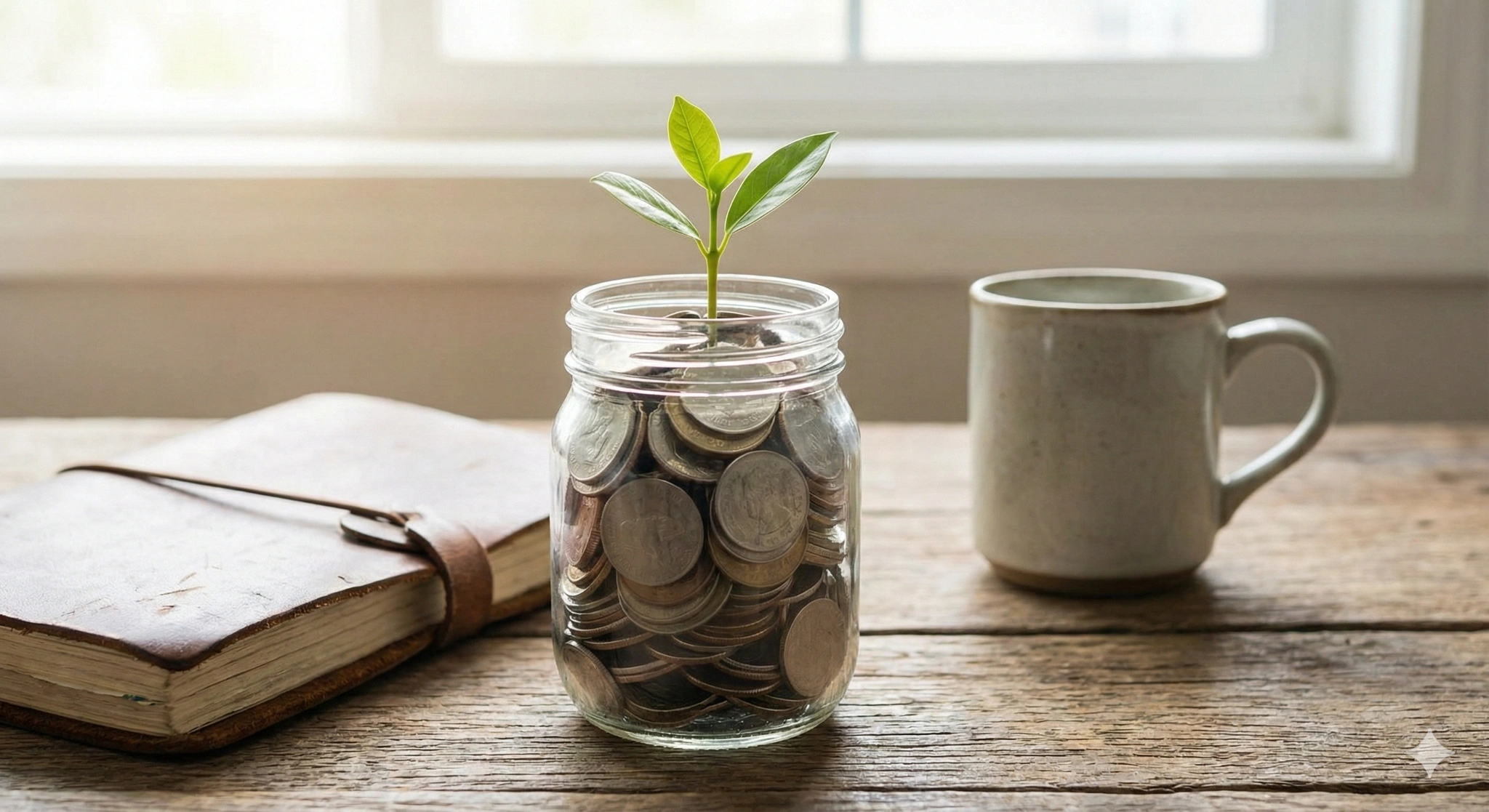
Building Financial Stability Step by Step
Financial stability does not happen overnight. It is built gradually through intentional decisions and consistent habits. Many people believe stability requires a high income, but in reality, it depends more on structure, planning, and discipline. When you approach money with patience and clarity, you create a foundation that supports long-term security.
Building financial stability step by step allows you to reduce stress and increase confidence over time.
Understand Your Current Financial Position
The first step toward stability is awareness. Knowing your income, regular expenses, and existing obligations gives you clarity. Without understanding your starting point, it becomes difficult to plan effectively.
Take time to identify fixed costs such as housing and utilities, as well as variable spending. Awareness allows you to make thoughtful adjustments and avoid surprises.
Create a Practical Budget
A budget is not a restriction. It is a roadmap for your money. A clear budget helps you allocate funds for essential needs, savings, and discretionary spending in a balanced way.
When your spending aligns with your priorities, financial decisions become easier. A well-structured budget supports both discipline and flexibility.
Build an Emergency Cushion
One important element of financial stability is preparation for unexpected expenses. Setting aside money gradually creates a safety buffer. This cushion reduces financial pressure during uncertain situations.
Even small, regular contributions toward emergency savings can build meaningful protection over time. Consistency is more important than speed.
Reduce Unnecessary Debt Carefully
Managing debt responsibly strengthens stability. High-interest obligations can limit flexibility and slow financial progress. Developing a structured repayment approach can improve long-term financial health.
Reducing debt step by step creates momentum and increases confidence. Progress may be gradual, but steady improvement builds stability.
Save With a Purpose
Saving becomes easier when it is connected to clear goals. Short-term goals may include planned purchases, while long-term goals focus on security and growth. Clear objectives provide motivation and direction.
Purpose-driven saving helps you stay consistent. When money has a defined role, financial discipline feels more meaningful.
Invest Thoughtfully for Long-Term Growth
Once basic stability is established, investing can support gradual financial growth. Investing is typically most effective when approached with patience and a long-term mindset.
Diversification and careful planning help manage risk. Long-term investing encourages steady progress rather than emotional reactions to short-term changes.
Develop Consistent Financial Habits
Financial stability grows from routine behavior. Regularly reviewing your budget, monitoring savings, and adjusting plans keeps your finances organized. Small check-ins prevent larger problems from developing.
Consistency transforms financial management from a stressful task into a manageable habit.
Balance Security and Enjoyment
Financial stability does not mean eliminating enjoyment. A healthy financial plan allows space for responsible spending on experiences and personal interests. Balance keeps financial discipline sustainable.
When finances are structured thoughtfully, you can enjoy the present while preparing for the future.
Stay Patient and Focused
Building financial stability is a gradual process. There may be periods of slower progress, but steady habits create lasting results. Patience allows compound growth to work over time.
By focusing on step-by-step improvement, you create a solid foundation. Financial stability is not about perfection. It is about consistent decisions that support long-term security and peace of mind.