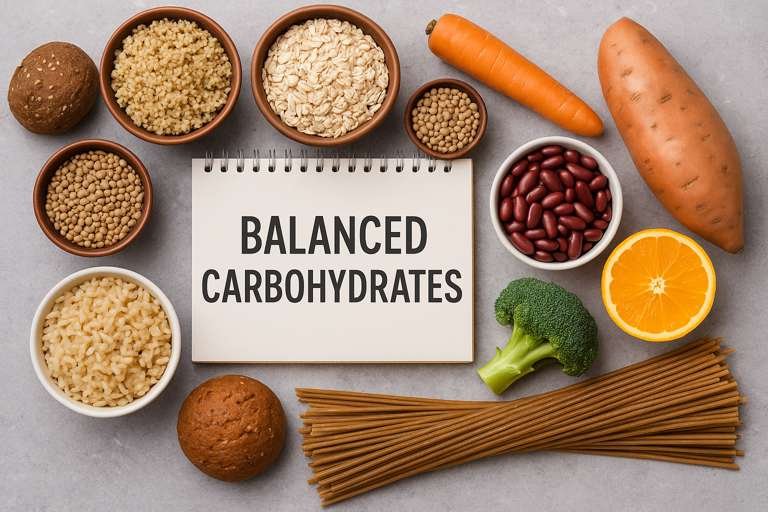
Carbohydrates often spark confusion—are they good, bad, fattening, or essential? The truth is simple: carbohydrates are your body’s primary source of energy, and when chosen wisely, they support physical performance, cognitive function, digestion, and long-term health. The key is not avoiding carbs, but learning how to consume them in a balanced, strategic, and health-supportive way.
Why Carbohydrates Matter
Carbohydrates break down into glucose, the fuel your brain and muscles use to function. Without adequate carbs:
- Energy levels drop
- Focus and memory weaken
- Exercise performance declines
- The body may break down muscle for fuel
A proper carbohydrate intake helps keep your metabolism stable and supports overall wellness.
The Difference Between Good and Bad Carbs
Not all carbs behave the same in your body. Understanding the difference helps you build a healthier plate.
1. Complex Carbohydrates (The Good Carbs)
These carbs digest slowly and provide long-lasting energy.
Examples:
- Whole grains (brown rice, oats, quinoa)
- Legumes (lentils, chickpeas, beans)
- Vegetables
- Fruits
- Sweet potatoes
Benefits:
✔ Stabilize blood sugar
✔ Improve fullness/satiety
✔ Support digestive health (rich in fiber)
✔ Lower risk of chronic diseases
2. Simple Carbohydrates (Use Sparingly)
These digest quickly and can cause blood-sugar spikes.
Examples:
- Sugar-sweetened drinks
- White bread
- Cookies, cakes, pastries
- Candies
- Processed cereals
Risks when consumed too much:
✘ Fatigue after “sugar crashes”
✘ Weight gain
✘ Higher risk of diabetes
✘ Increased hunger
How Much Carbohydrate Do You Need?
Most nutrition experts suggest that 45–65% of daily calories can come from carbohydrates, depending on your goals, activity level, and metabolism.
Higher-carb diets may fit:
- Athletes
- People with high activity levels
- Individuals focusing on muscle building
Moderate to lower-carb diets may fit:
- People who sit most of the day
- Those managing insulin sensitivity
- Individuals aiming for weight loss
The key is balance—never extremes.
Tips for Eating Carbs the Healthy Way
1. Prioritize Whole Foods
Choose whole grains over refined ones:
- Brown rice instead of white rice
- Whole-wheat pasta instead of regular pasta
2. Pair Carbs With Protein and Healthy Fat
Combining carbs with protein and fat slows digestion and stabilizes blood sugar.
Example: Oatmeal + nuts + berries.
3. Watch Your Portions
Even healthy carbs can become excessive. Fill roughly ¼ of your plate with whole-grain or starchy carbs.
4. Focus on Fiber
Aim for 25–35g of fiber per day from whole foods to support digestion and fullness.
5. Choose Natural Sugars Over Added Sugars
Eat fruit instead of processed sweets whenever possible.
Smart Carbohydrate Choices Throughout the Day
Breakfast Ideas
- Oatmeal with almond butter and banana
- Whole-grain toast with eggs and vegetables
- Greek yogurt with berries and granola
Lunch
- Quinoa salad with chickpeas and vegetables
- Whole-grain wrap with chicken and greens
- Brown rice bowl with salmon and broccoli
Dinner
- Sweet potato with grilled chicken
- Whole-wheat pasta with tomato sauce and vegetables
- Stir-fry with tofu, brown rice, and mixed veggies
Snacks
- Fresh fruit
- Hummus with whole-grain crackers
- A handful of nuts + a small apple
Conclusion
Carbohydrates are not the enemy. When consumed in the right amounts and chosen wisely, they become the foundation of a balanced, energetic, and healthy lifestyle. Instead of cutting carbs, focus on quality, portion control, and balance. Your body—and mind—will thank you.