
Building a Lifestyle That Reduces Stress Naturally
Modern life often moves at a relentless pace. Between work responsibilities, digital notifications, and personal obligations, it is easy to feel mentally overloaded. While short-term stress can sometimes motivate productivity, constant pressure can drain energy and reduce overall well-being. Creating a lifestyle that naturally reduces stress does not require extreme changes. Instead, it involves building daily habits that encourage calm, focus, and balance.
When routines are designed thoughtfully, everyday life becomes easier to manage and far more enjoyable.
Start With Simple Daily Planning
One of the most effective ways to reduce stress is by bringing clarity to your day. When tasks are scattered or unclear, the mind tends to feel overwhelmed. Writing down a short list of priorities each morning can help organize thoughts and provide direction.
Planning does not mean scheduling every minute. Instead, it helps you identify what truly needs attention and what can wait. This approach allows you to work with greater focus and less mental clutter.
Create a Comfortable Work Environment
Your physical environment plays an important role in shaping your mood and productivity. A cluttered or chaotic space can create unnecessary tension, while a clean and organized workspace encourages calm thinking.
Simple changes such as improving lighting, adding plants, or keeping your desk organized can transform the atmosphere of your workspace. When your surroundings feel calm, your mind often follows the same pattern.
Balance Focus With Breaks
Continuous work without pauses can quickly lead to fatigue and frustration. The brain performs best when periods of focus are balanced with short breaks. Stepping away from work for a few minutes allows the mind to recharge.
Even small pauses—stretching, walking briefly, or simply looking away from a screen—can refresh concentration and improve productivity throughout the day.
Limit Digital Distractions
Technology provides many benefits, but constant notifications and information streams can increase stress levels. Checking messages or updates repeatedly interrupts concentration and creates mental fatigue.
Setting specific times to review emails or social media can help maintain focus while still staying informed. When digital distractions are managed carefully, daily tasks feel far more manageable.
Support Your Body With Healthy Habits
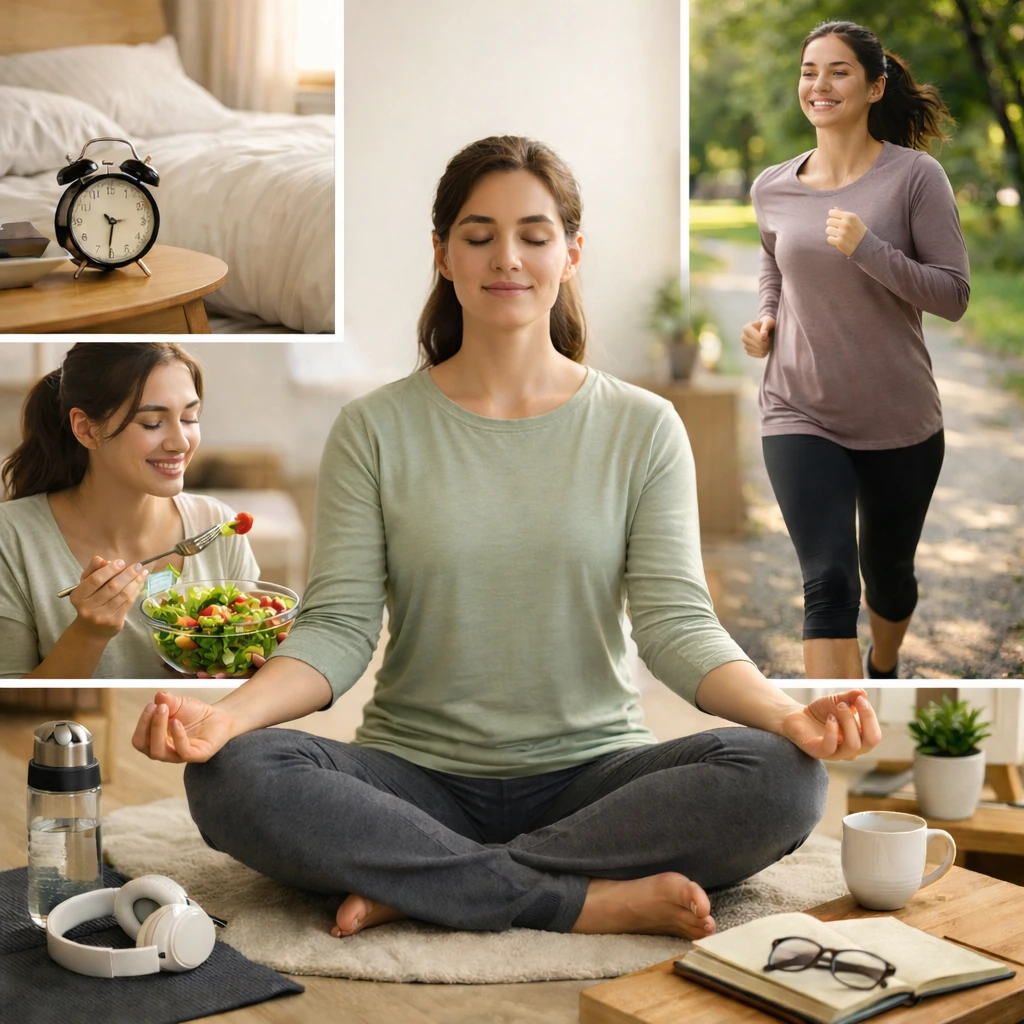
Physical well-being strongly influences mental clarity. Adequate sleep, balanced meals, and regular movement all contribute to better energy levels and reduced stress.
Small adjustments—such as walking regularly, staying hydrated, and maintaining a consistent sleep routine—can significantly improve both mood and focus. When the body feels supported, handling challenges becomes easier.
Practice Moments of Calm
Stress often builds when the mind never pauses. Creating brief moments of calm during the day can help reset your thoughts and emotions. These moments do not need to be complicated.
Simple practices like deep breathing, quiet reflection, or stepping outside for fresh air can restore balance and perspective.
Strengthen Positive Routines
Daily routines help create stability in a busy world. When certain activities occur at regular times, the brain learns to expect them, reducing decision fatigue and uncertainty.
Morning planning, scheduled work sessions, and relaxing evening routines all contribute to a smoother and more predictable day.
Focus on Progress Rather Than Perfection
Many people experience stress because they expect flawless results in everything they do. However, perfection is rarely realistic. A healthier approach is focusing on steady progress.
Completing tasks step by step allows you to maintain momentum without feeling overwhelmed by unrealistic expectations.
A Lifestyle Designed for Calm
Reducing stress is not about removing responsibilities from life. Instead, it is about organizing your habits in a way that supports mental clarity and emotional balance. Through thoughtful planning, supportive routines, and healthy boundaries, everyday life becomes easier to navigate.
Over time, these small lifestyle adjustments create a powerful effect. Days feel calmer, productivity improves, and challenges become easier to manage. By designing a lifestyle that naturally reduces stress, you build a foundation for long-term well-being and a more balanced life.